Home›Industries›Signage & Architectural Metal
Industry
When the cut edge is the finished edge, there is no hiding a bad one. A fiber laser gives you the crisp letterform, the exact perforation pattern, and the repeatability a facade package demands.
Finish-quality edge
Aluminum • Brass • Copper
Art file to part
Fine Detail
Tight Interior Corners
Repeatable
Panel to Panel
Reflective OK
Brass, Copper, Alum.
100%
US-Based Support
The Problem
Sign and architectural work is judged from three feet away in good light. A rough kerf, a heat-discolored edge, or letterforms that drift between panels is not a tolerance issue — it's a rejected package. And when the pattern is decorative, every part in the elevation has to match the one next to it.
Router and plasma edges need finishing before anyone sees them
Tight interior corners and thin strokes are where cheap processes fail
Reflective metals are difficult or off-limits on older equipment
Perforated screens are thousands of holes that must all be identical
Design changes late in a project should not mean new tooling

What Changes
A fiber laser is a drawing tool that happens to cut steel. Whatever the designer draws, the beam follows.
Serifs, counters, and tight interior radii come out as drawn, so faces and returns line up without hand fettling.
Decorative screens and privacy panels with thousands of openings, each one identical, across an entire elevation.
Fiber handles aluminum, brass, and copper — the materials architectural work actually specifies.
A narrow kerf and light dross leave an edge that's often ready for finish or anodizing with very little touch-up.
A revision is a new file, not new tooling — so late-stage changes cost time, not capital.
Panel forty looks exactly like panel one, which is the whole point when the elevation is seen all at once.
On the Floor
Sign shops that add a laser stop splitting jobs between a router, an outside cutter, and a fabricator — and start controlling the finish, the schedule, and the margin on the entire package.
Schedule a DemoRecommended
Most of this work is 5' × 10' or smaller. The exception is facade and screen packages, where a longer bed avoids splitting a panel.
Start Here
A compact 5' × 10' platform that fits a sign shop's floor and its budget — open access makes short, high-mix runs quick to load.
View Machine →
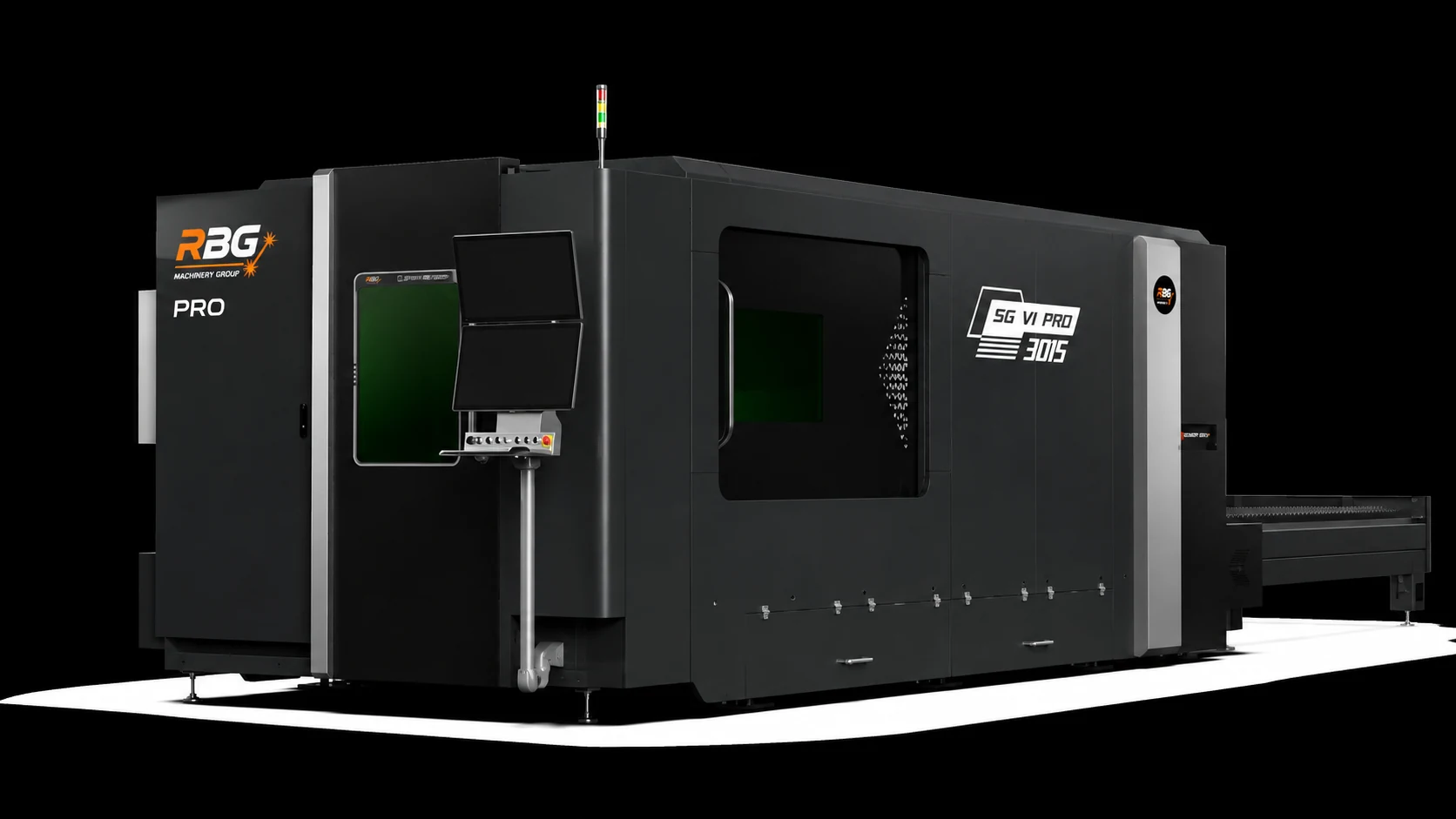
Step Up
Enclosed 5' × 10' with an exchange table — quieter, cleaner, and better suited to a shop where the laser sits near a finishing area.
View Machine →
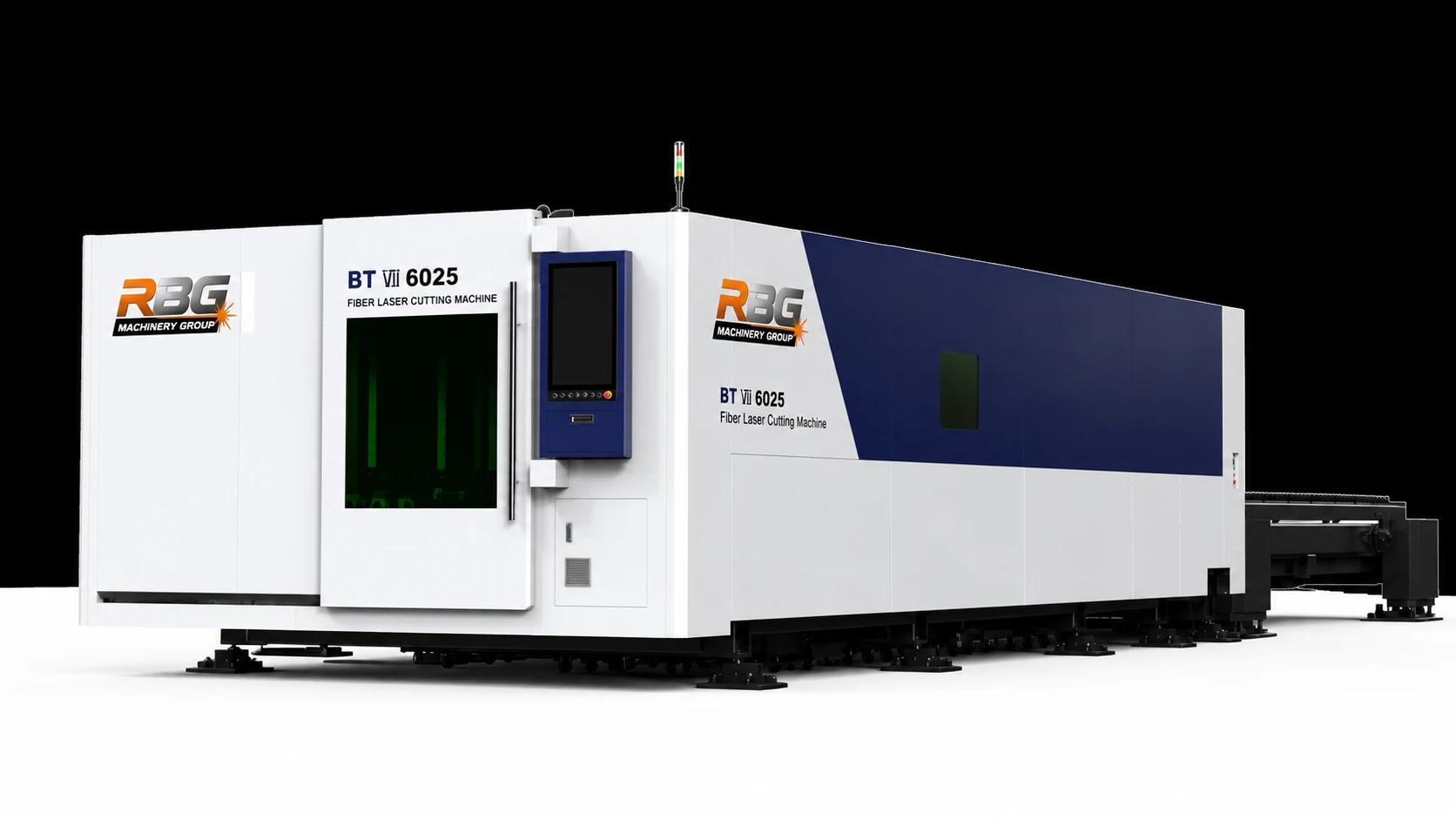
Big Panels
6.0m × 2.5m format for facade panels, long screens, and monument-scale work you'd otherwise have to seam together.
View Machine →
Typical Work
Channel Letters
Flat-Cut Letters
Monument Sign Faces
Perforated Screens
Facade Panels
Railing Infill
Column Covers
Wayfinding & Plaques
Send us a real art file and the material you'd run it in — a laser specialist will tell you what the edge will look like and send a quote within one business day.
Tell us what you run. A real quote in one business day.