Home›Industries›Job Shops & Contract Fabrication
Industry
Every job is different, every quote is a guess until the part is on the truck, and the customer wants it Thursday. A fiber laser is how you take that work and still make money on it.
No tooling cost
Qty 1 to qty 10,000
Quote & cut same week
Zero
Tooling to Change
In-House
Work You Now Buy Out
One Day
Operator Ramp-Up
The Problem
Contract fabrication punishes anything with a setup cost. A punch needs tooling. A shear needs a straight line. A plasma table leaves an edge someone has to grind. And the moment a job needs a profile you can't make, it goes out to a vendor whose schedule you don't control — with your margin and your delivery date attached to it.
Setups eat the profit on short runs before the first good part
Outsourced parts return late, and the customer blames you
Secondary grinding and deburring is labor you rarely quoted
Turning down odd geometry trains customers to call someone else
Reactive quoting is slow when you have to price an outside step
What Changes
A fiber laser is the closest thing a job shop has to a universal machine: the part changes, the program changes, and nothing on the floor has to change with it.
No tooling means no minimum order that makes economic sense. A prototype and a production release run on the same bed on the same day.
Slots, radii, internal cutouts, engraving, tab-and-slot — geometry that would have been a "we don't do that" is now just a different file.
Nesting software tells you sheet utilization and run time before you commit to a price, so your quotes stop being educated guesses.
A clean laser edge usually goes straight to forming or welding. The deburring bench stops being a station every job has to queue for.
Work you currently buy out comes back in-house, and your lead time stops depending on another shop's backlog.
A laser is also a service you can sell. Shops routinely fill idle beam time cutting for smaller fabricators nearby.
On the Floor
A job shop can't wait on an overseas ticket queue while a machine sits dark. RBG installs the machine, trains your operators on your material, stocks wear parts stateside, and answers the phone in your timezone.
Schedule a DemoRecommended
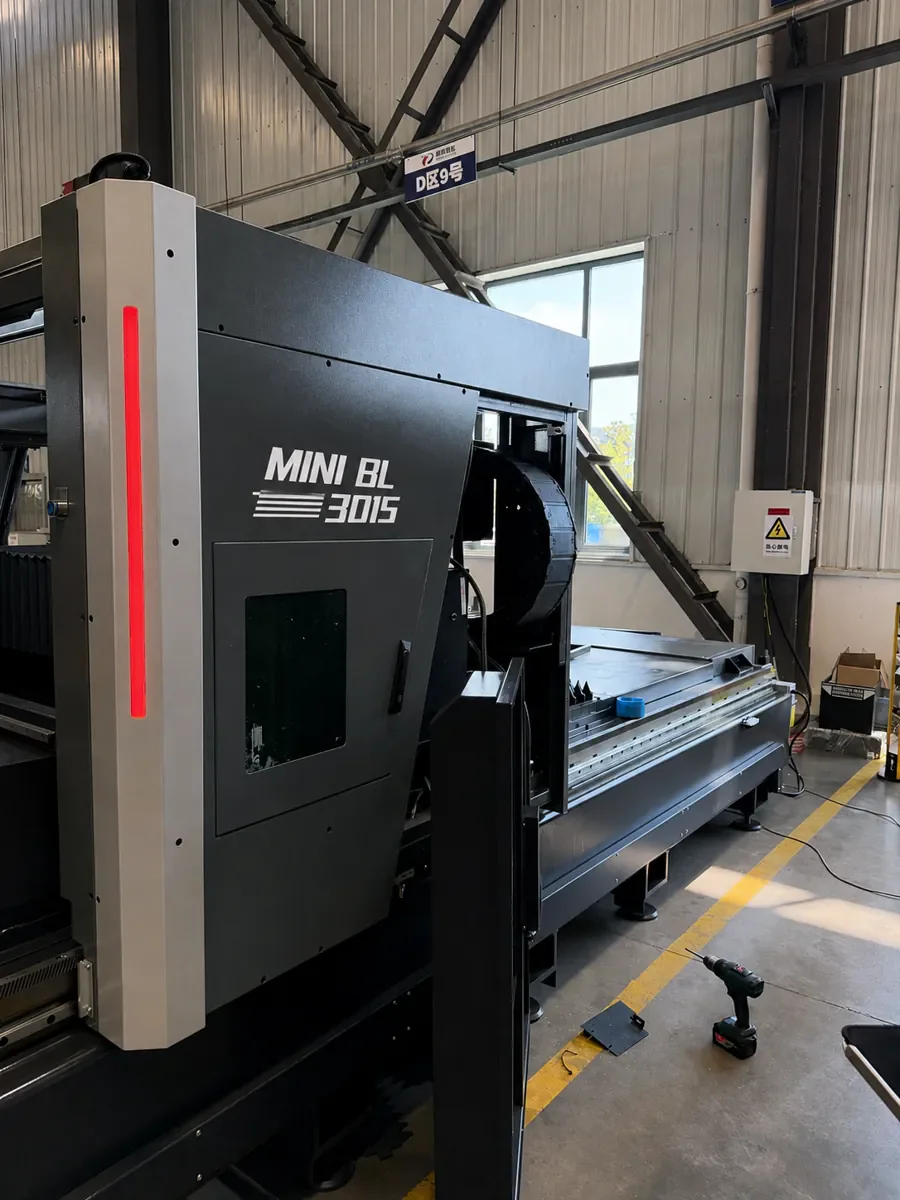
Most contract fabricators start with a compact flatbed and a handheld welder, then add capacity as the work follows the capability.

Start Here
A full 5' × 10' bed in a compact, light-curtain-guarded footprint. The usual first laser for a shop that's outgrown outsourcing.
View Machine →
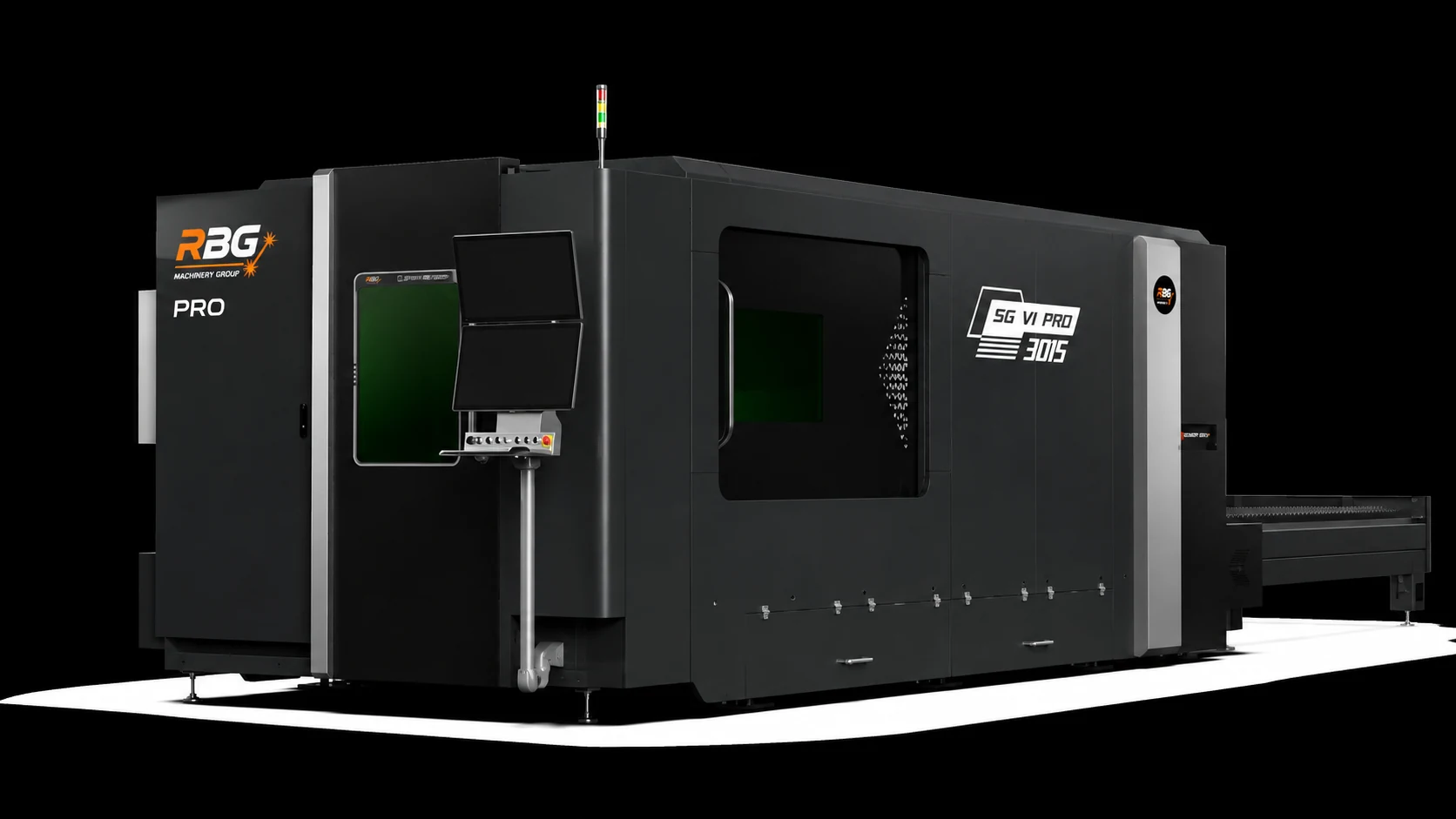
Step Up
Same 5' × 10' format, fully enclosed, with an exchange table so loading stops costing you beam time on long jobs.
View Machine →
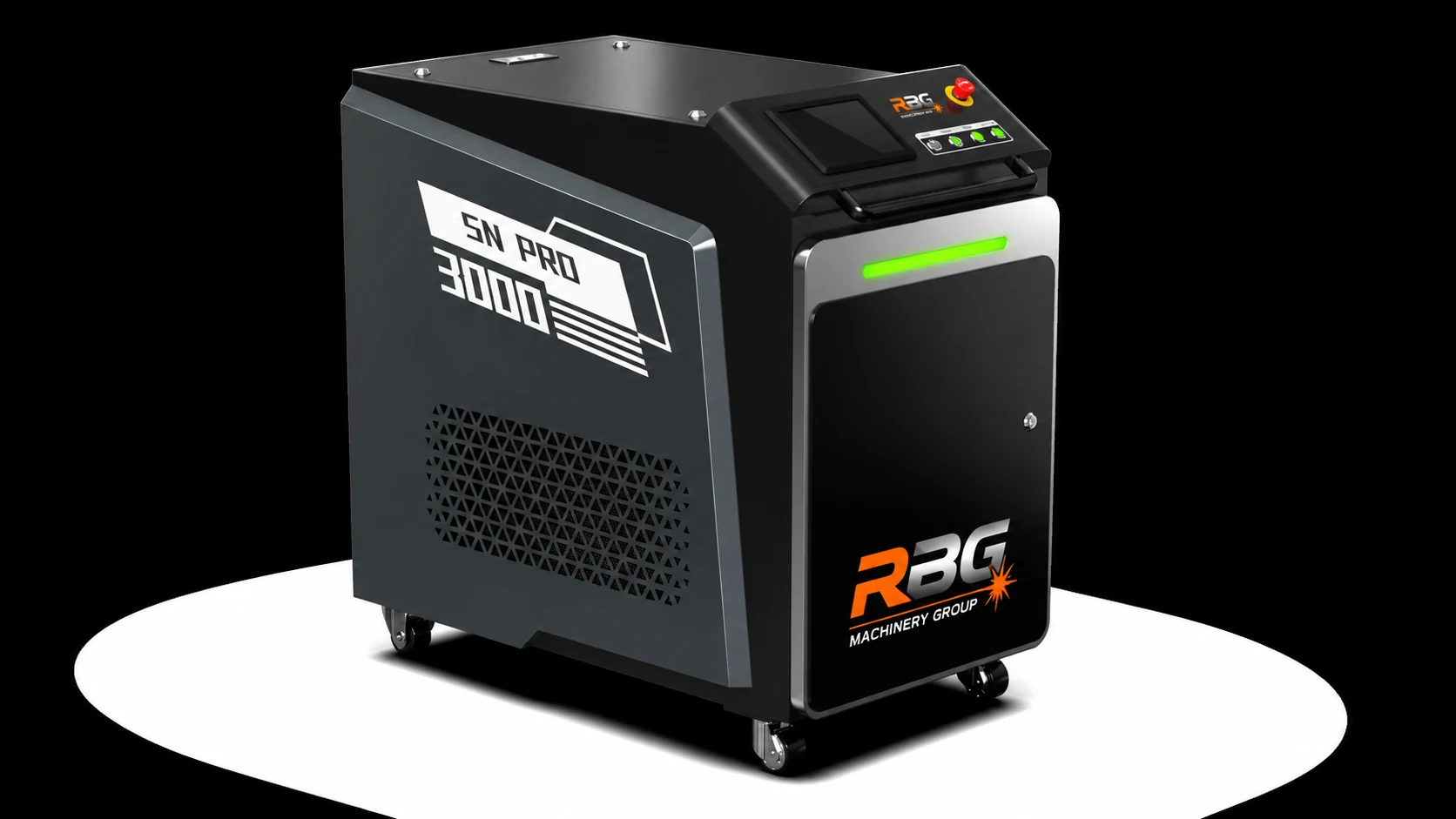
Add On
Handheld 3kW welding and cleaning that rolls to whichever bay needs it — and lets more of your crew do weld work.
View Machine →
Typical Work
Brackets & Mounts
Machine Guarding
Enclosures & Panels
Gussets & Base Plates
Replacement Parts
Prototypes
Weldment Components
Short-Run Production
Send us a few of your typical part files and your material mix — a laser specialist will tell you which machine fits and send a real quote within one business day.
Tell us what you run. A real quote in one business day.